Skilled Tree Preservation Florence Tree Pros
Discover the Essential Services Delivered by a Professional Arborist for Maintaining Healthy Trees
A professional arborist provides numerous services vital for maintaining healthy trees and beautifying outdoor spaces. Their expertise in tree pruning promotes growth and lessens dangers. They also diagnose and manage tree diseases, making sure personalized treatments are in place - Florence Arborist. Additionally, arborists handle safe tree removals and aid in planting and transplanting. Their role is even more vital during urgent times such as storm damage. Being aware of these services can significantly affect one’s approach to tree care
The Importance of Tree Pruning
Although many homeowners may overlook the need for tree pruning, it serves a vital function in preserving the health and aesthetics of trees. Effective pruning helps trees develop a robust structure, taking away dead or sick branches that could create hazards. By carefully cutting branches, the tree can focus its energy on healthy growth, fostering superior air movement and sunlight penetration. Additionally, pruning can enhance the overall appearance of the tree, forming it for visual beauty in residential landscapes.
Moreover, regular pruning can prevent potential hazards, such as limbs falling during storms or high winds, which could cause property destruction or hurt people. It also assists in avoiding of insect problems and diseases by enhancing the tree's hardiness. Ultimately, retaining expert arborist services for tree pruning makes sure trees are kept healthy, safe, and attractive, greatly contributing to the overall beauty and value of the property.
Diagnosing and Managing Tree Diseases
Tree health can be greatly compromised by a range of diseases that may not always be instantly obvious. A professional arborist is crucial in detecting these problems soon, utilizing a combination of visual inspections and assessment instruments. Symptoms such as unusual leaf coloration, wilting, or irregular growth shapes often indicate hidden health problems. Arborists evaluate these signs to pinpoint particular diseases, whether fungal, bacterial, or viral in nature.
When the problem is identified, the professional designs a tailored management plan. Such a strategy might incorporate focused interventions, such as fungicides or bactericides, and cultivation methods that enhance tree resilience. In addition, proper watering, mulching, and fertilization can considerably improve tree health and ability to fight off illness. Consistent observation and subsequent care are necessary for successful control, guaranteeing the lifespan and vitality of the trees. When dealing with tree diseases promptly, tree specialists ensure the environmental value and aesthetic appeal of thriving trees.
Best Practices for Tree Felling
Effective tree removal practices are necessary to ensure safety and minimizing damage to adjacent areas. Expert tree specialists conduct a thorough assessment of the tree's condition, its location, and the immediate vicinity prior to starting the extraction. They utilize specialized equipment, such as ropes and cutting tools, to guarantee precise cuts and manage the tree during its descent.
A well-planned removal strategy requires recognizing risks, such as power lines or nearby structures, which can affect the security of the job. Arborists often use a technique called "sectional dismantling," in which the tree is taken apart in smaller segments, lessening the hazard posed by dropping wood.
Moreover, they follow local regulations and guidelines to guarantee compliance and responsible environmental care. Following the extraction, proper cleanup and disposal of the remaining wood and brush, including stump grinding, help improve the overall security and look of the landscape.
Tree Planting and Relocation
Installing and relocating trees requires careful consideration of site selection and planting techniques to guarantee long-term health and growth. An appropriate setting greatly affects a tree's development, and correct installation techniques reduce trauma and promote successful establishment. Tree specialists highlight these elements as essential for enhancing the health and lifespan of trees in various settings.
Choosing the Right Location
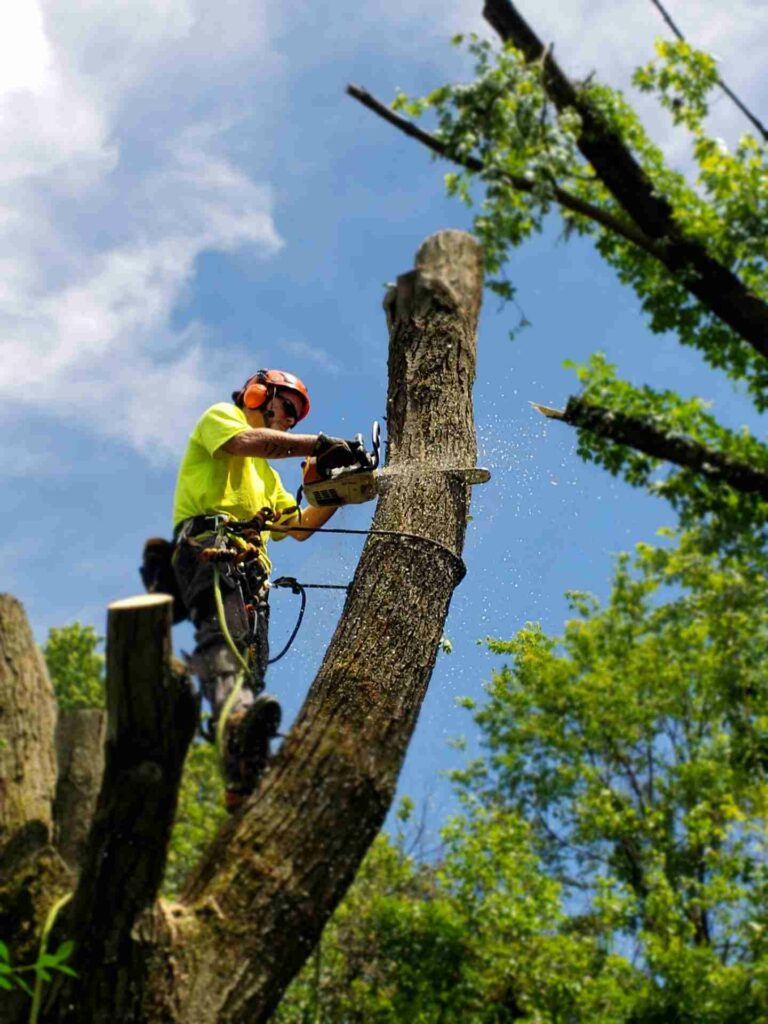
Finding the perfect spot for planting or transplanting trees is critical to their long-term health and growth. Considerations including the condition of the soil, sunlight exposure, and water runoff must be thoroughly assessed. Certified arborists assess the site's characteristics, ensuring that the chosen spot provides adequate nutrients and proper foundation for the trees. Furthermore, the nearness to established constructions and other plants is crucial to avoid resource contention and steer clear of future injury. Tree specialists also factor in the tree’s full-grown dimensions and root structure, guaranteeing enough area for development. Via an in-depth assessment of the location, these experts help clients reach educated conclusions that encourage strong, successful trees, which boosts the landscape’s aesthetic and ecological value.
Proper Techniques for Installation
After the location is thoroughly evaluated and chosen, the following action is employing ideal planting techniques for trees. Proper preparation of the planting hole is vital; it should be twice the width of the root ball and the same depth as the root ball. The tree should be placed in the hole so that the crown of the root mass is even with the surrounding soil. Refill using the original dirt, checking that all voids are filled, and irrigate completely to promote initial root establishment. Mulching around the base helps retain moisture and inhibit unwanted growth. Florence Arborist. For transplanting existing trees, care must be taken to reduce root trauma and transplant during dormancy for the best chance of survival. Implementing these practices fosters healthy growth and extended health
Emergency Response to Storm Damage
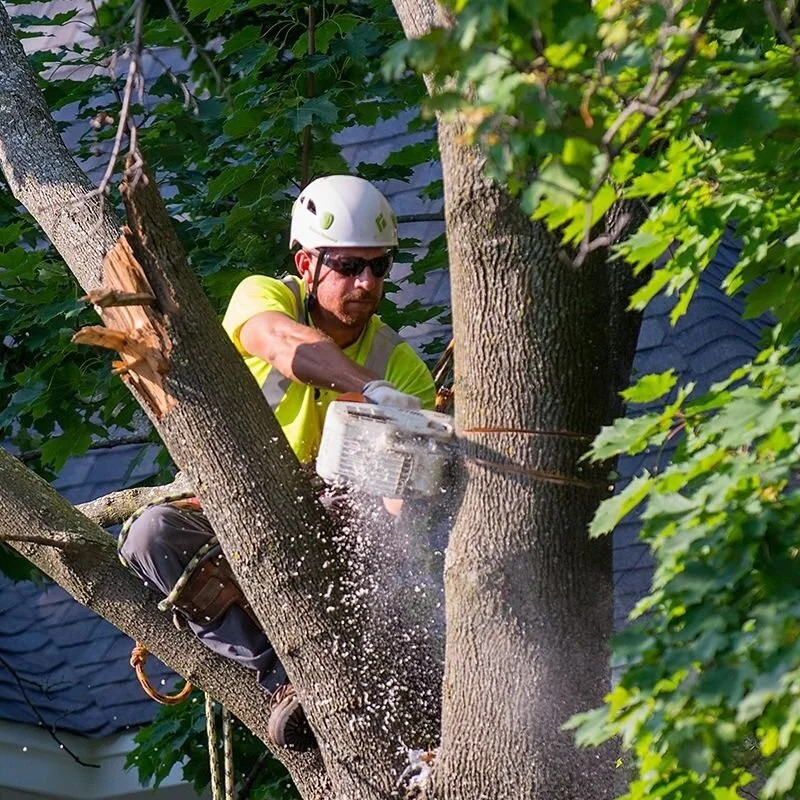
When severe storms strike, the consequences often leave trees in dangerous states, creating threats to buildings and people. Trained arborists are essential in emergency response, evaluating storm-damaged trees to gauge their soundness and condition. With their skill, they can discern which trees can be salvaged and which are serious, instant risks that need to be taken down.
Using professional equipment, arborists can safely prune broken branches and clear debris, reducing additional harm to adjacent property. Arborists also learn about this offer helpful guidance on risk mitigation, such as selecting resilient tree species for future planting.
Apart from the initial cleanup, professionals guide property owners through the potential long-term effects of storm damage, providing advice for restoration and healing. Through quick and effective action, certified tree experts safeguard assets but also aid in the recovery of the local environment once the tempest has passed.
Nutritional Support and Ground Care
Following the aftermath of storm damage, focus shifts to the health of remaining trees, emphasizing the necessity of nutrient assistance and earth maintenance. A professional arborist assesses ground quality and tree vitality to ascertain specific nutritional needs. Trees must have essential nutrients, like nitrogen, phosphorus, and potassium, to recover and thrive after stress events.
Earth maintenance plays an essential role in nutrient availability and the growth of roots. Tree specialists often suggest ground improvements, such as organic matter, to improve soil structure and microbial activity. The correct pH balance are also assessed, as they influence nutrient uptake.
Using mulching methods can improve moisture retention and keep weeds down, making a suitable condition for tree recovery. By developing a thorough nutritional plan and using smart soil maintenance methods, arborists make certain trees recover their vigor, resilience, and overall health, which is critical for maintaining a balanced ecosystem following environmental disturbances.
Common Queries
How Often Should I Have My Trees Inspected?
Trees should be evaluated annually for peak health. Nevertheless, more frequent evaluations could be needed for younger trees, post-major weather incidents, or if they show signs of stress or sickness.
Which Credentials Should I Seek in an Arborist?
In your search for a tree expert, one should look for credentials like ISA (the ISA) accreditation, relevant experience, insurance coverage, and a solid name locally, confirming knowledge in tree care and safety practices.
Are There Specific Tools Arborists Use for Tree Care?
Arborists employ various specialized tools for tree care, like chainsaws, pruning shears, climbing gear, and stump grinders. Each tool serves a specific purpose, ensuring effective maintenance, pruning, and removal of trees while promoting overall health and safety.
In What Ways Does the Weather Impact Tree Health?
The state of the weather strongly influences tree health; heavy rainfall may result in root rot, while dry spells put strain on trees. Temperature extremes can damage leaves and branches, consequently impacting growth, durability, and total vitality of the trees.
Am I able to care for my trees personally, or Do I need to call in a specialist?
Although certain simple tree maintenance jobs can be done by people themselves, it's often wise to employ a professional - Florence Arborist. Trained individuals carry specialized equipment and knowledge, to make sure the trees receive the appropriate care required for the best possible health and growth